
Innovatie Kwartier
Den Bosch (IKDB)
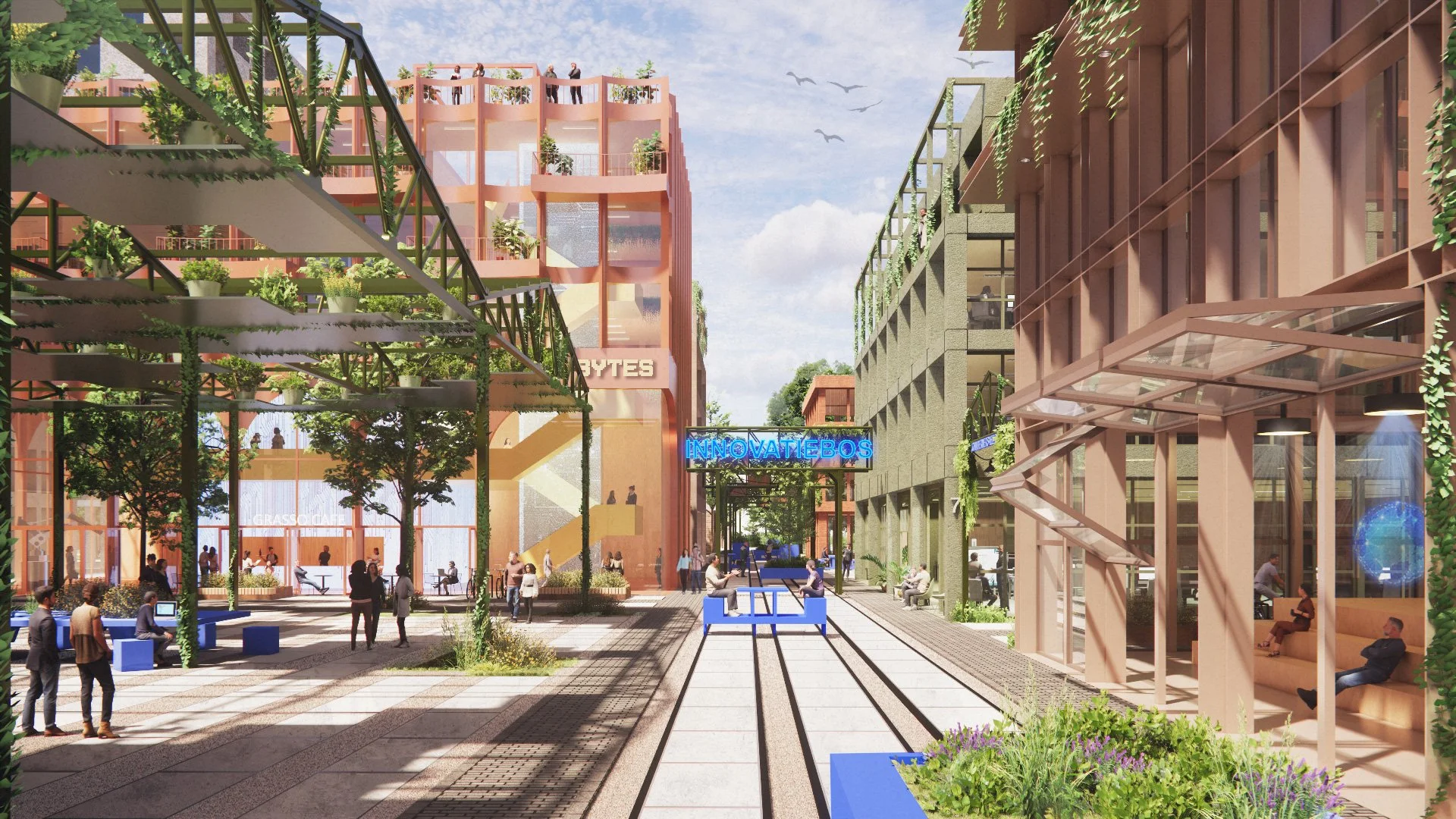
IKDB is a mixed urban environment located in the northern part of Den Bosch’s railway zone, that integrates productive work within the context of the city center. Not only does the district combine living, working, and leisure through a mix of housing and workspaces, but it also ties its newfound identity as a focal point for technological innovation to its industrial past.
-
Location
Den Bosch, NetherlandsYear
2024 -
Mixed use:
Work, housing, mobility and shared facilities
-
Urbanism
-
Gemeente ’s-Hertogenbosch
AM Ontwikkeling
Lister Buildings (Coebax)
N.V. Bossche Investerings Maatschappij (BIM) -
DGMR
Goudappel
Proof of the sum -
Lauren Antoine, Amin El-Didi, Ichen Hung, Emily Kok, Rona Kong, Yara Mahmoudyar, Melissa Pearson, Chiara Tobia, Wesley Verhoeven, Jessica Wang, Ewa Ziemiecka
By combining one-third housing with two-thirds workspaces, we eliminate the typical divide between working areas and residential living. This new urban typology not only addresses the twin demand for workspaces and housing in a country where space is scarce, but also contributes to more sustainable, climate-adaptive, inclusive, and diverse cities.
The new innovation district is a classic example of a Smart Urban Mix — a living city layered on top of a working city. It demonstrates how a different typology can create transparency and openness between work and living, and between the district and the surrounding city.
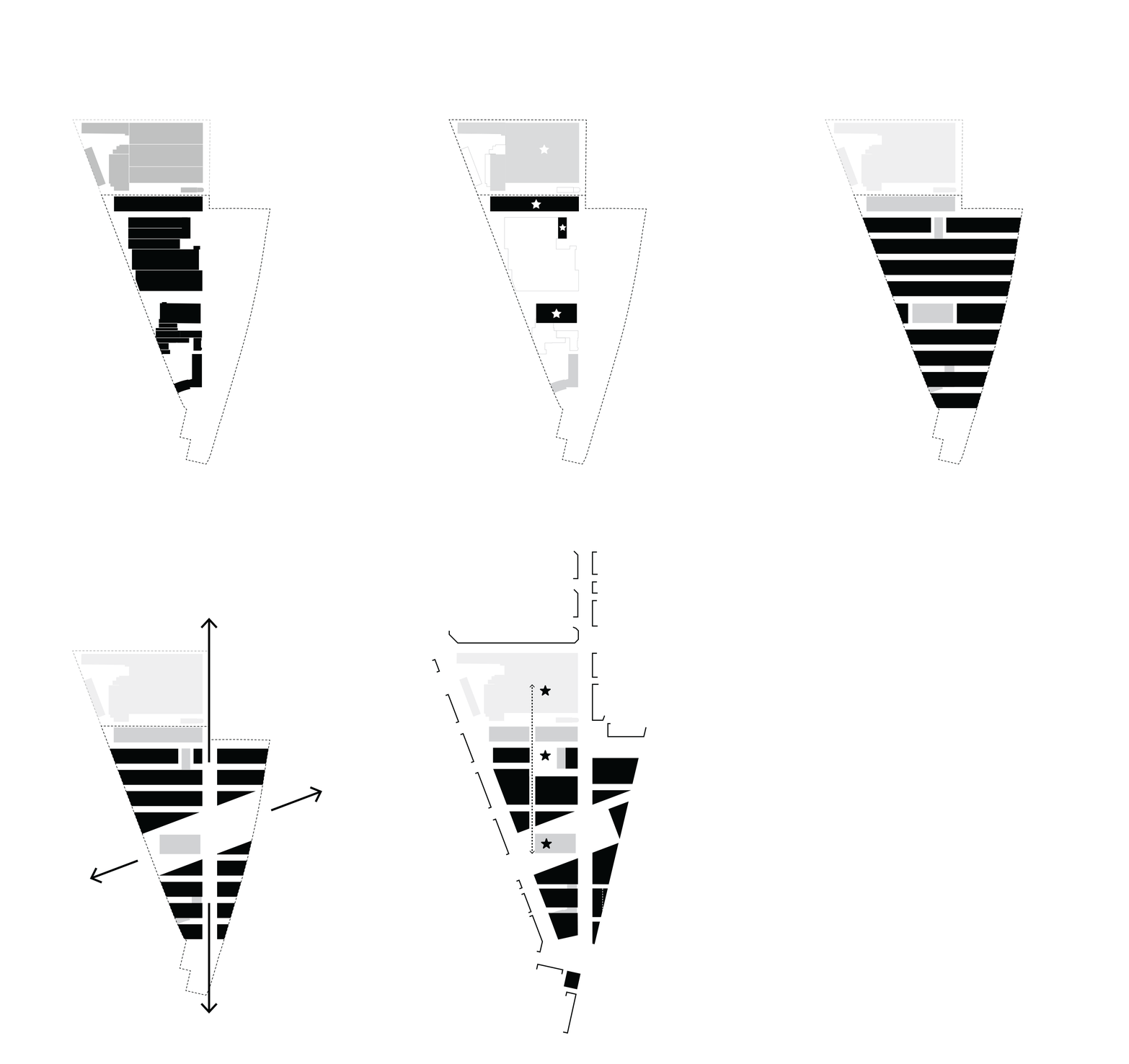
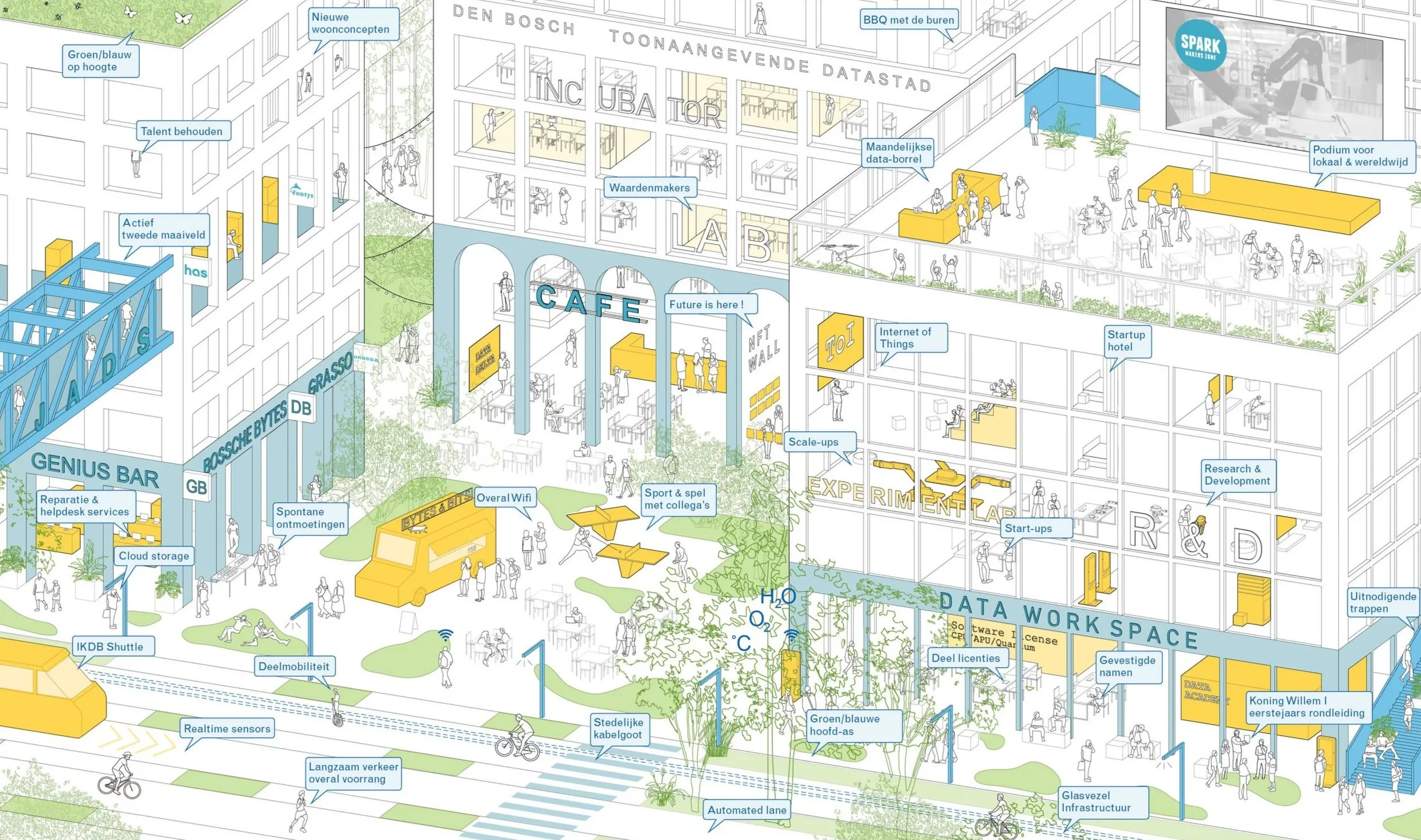
Three iconic historical buildings form the foundation of IKDB and reference the district’s industrial past. Each building anchors a quarter with a public space designed to encourage interaction between residents, workers, and passers-by. Green, pedestrian-friendly streets connect each quarter to the surrounding city.
These streets form a Dwaalmilieu, inviting locals to wander through the district rather than simply passing by. Residents exploring the streets are immersed in the work taking place within the office spaces through large windows. The ground floor plays a key role in facilitating interactions between business owners, workers, and residents.
By doubling the ground floor, we maximize activity between different groups, optimize the use of space, and improve accessibility for a wider public. Both the lower and upper ground floors can be accessed directly from the street.
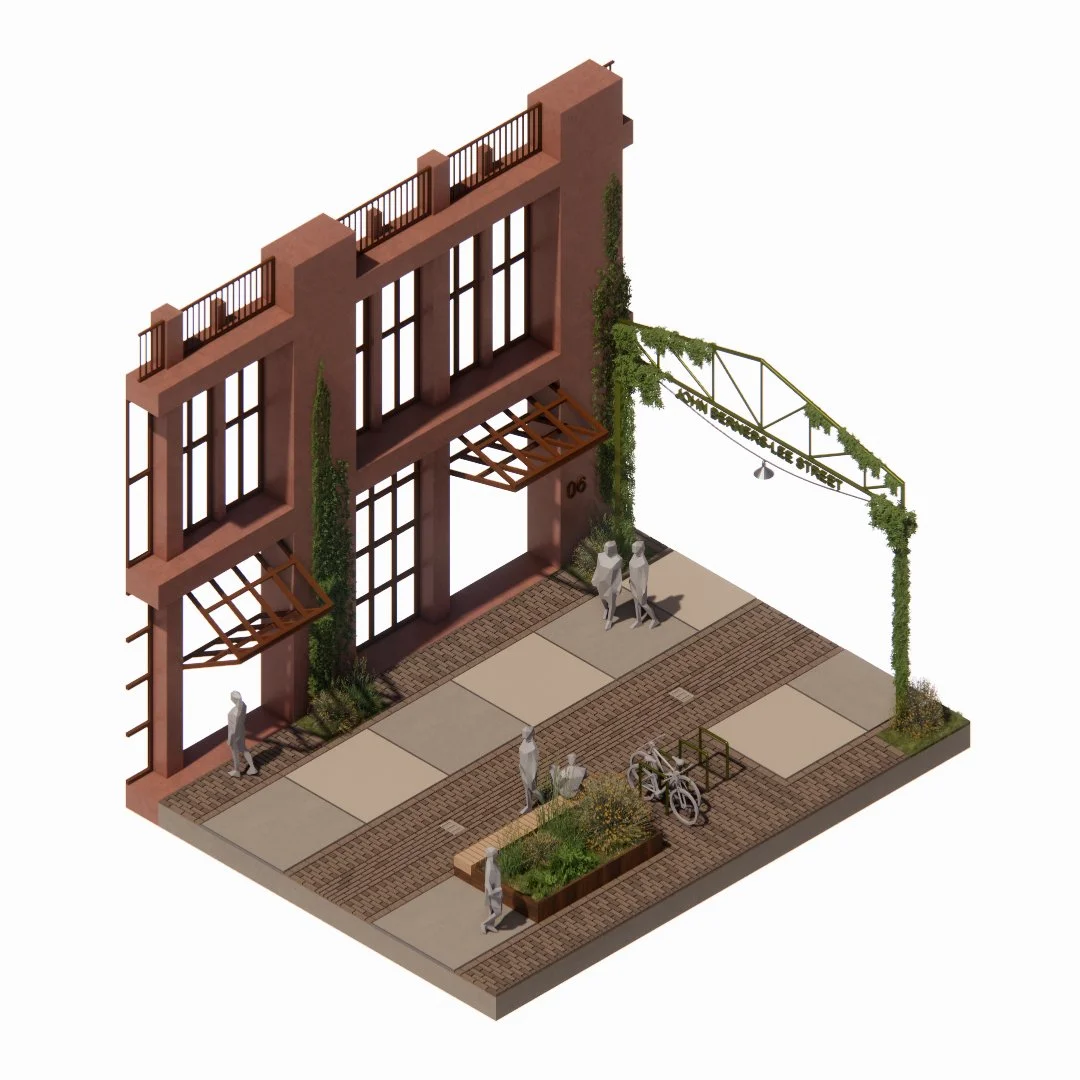
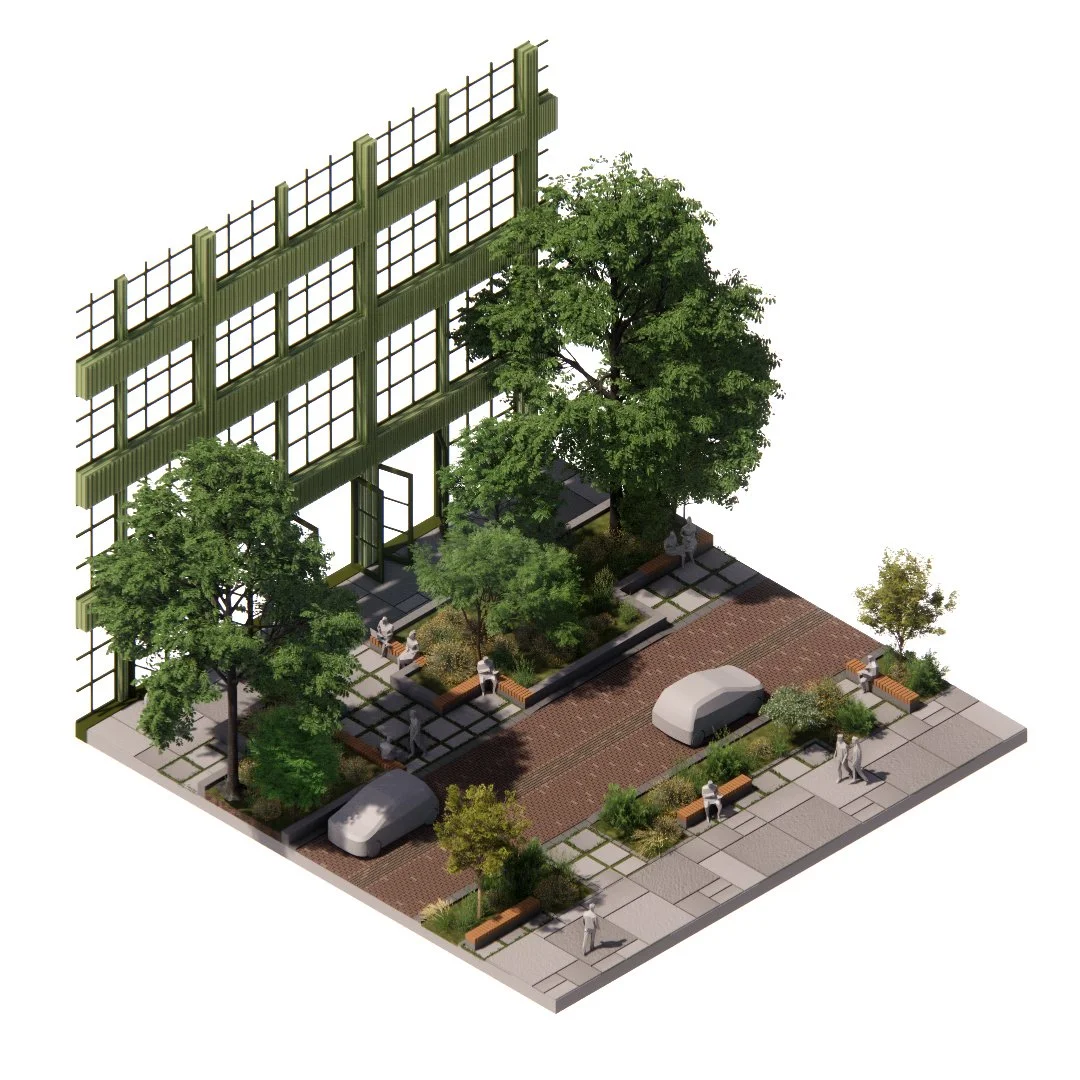
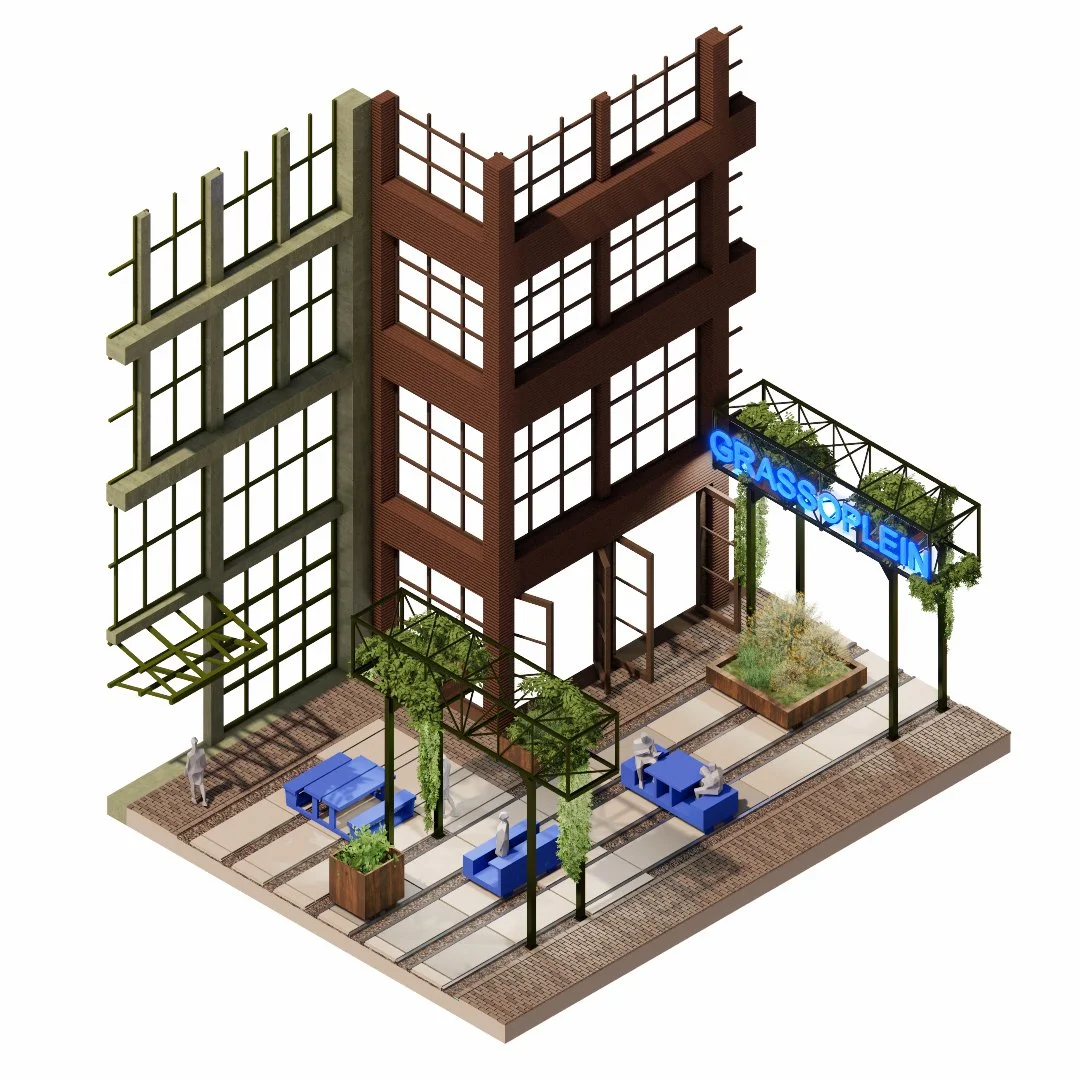
IKDB not only addresses the demand for housing and workspaces; it proposes a new urban typology that fosters connectivity, transparency, and circularity.
The development plan has now been approved by the municipal council, marking a significant milestone in the transformation of the former Spoorzone into a vibrant innovation district.
The Concept Ontwikkelkader and Beeldkwaliteitsplan are currently under public review, further detailing the spatial framework and design guidelines that will shape the next stages of development.
Curious to learn more?
If you're interested in learning more about our innovative approach and the wide range of services we offer, simply drop your name and e-mail address in the form. We'll be in touch as soon as possible so you can have a closer look at what we can do for you.